Shop by CategoryAll 431 products →
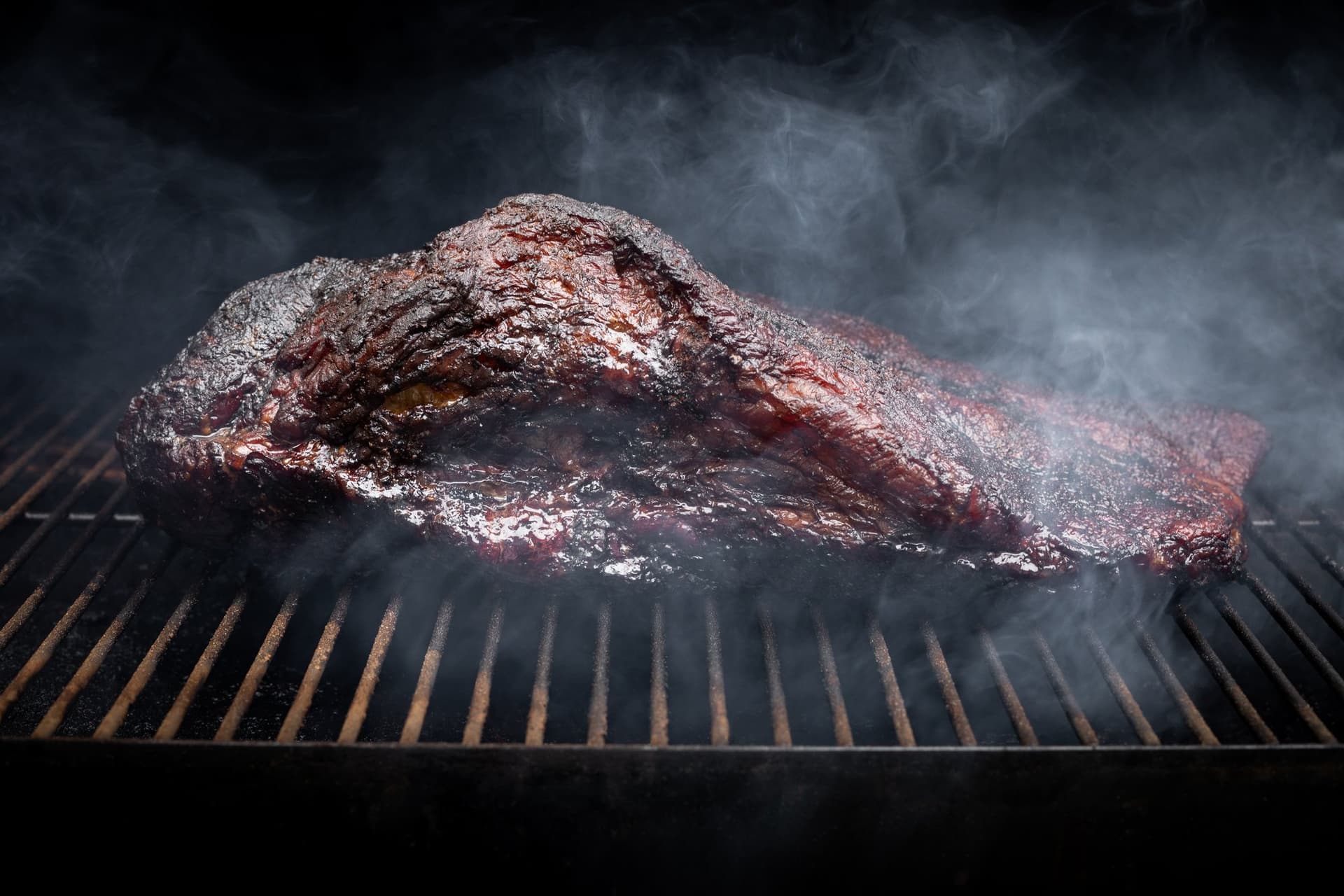
Master the art of smoking brisket low and slow. From choosing the right cut to nailing the perfect bark, this guide covers everything you need for competition-quality brisket at home.
Smoking a brisket is one of the most rewarding BBQ experiences you can have. It takes patience and practice, but the payoff — tender, smoky, melt-in-your-mouth beef — is absolutely worth the effort. This guide walks you through every step, from choosing the right cut to slicing and serving.
A whole packer brisket has two muscles: the flat (leaner, uniform thickness) and the point (thicker, more marbled). For smoking, you want good marbling throughout — it keeps the meat moist during the long cook. Look for a brisket that feels pliable when you pick it up, not stiff. The flat should be at least 1 inch thick at the thinnest point.
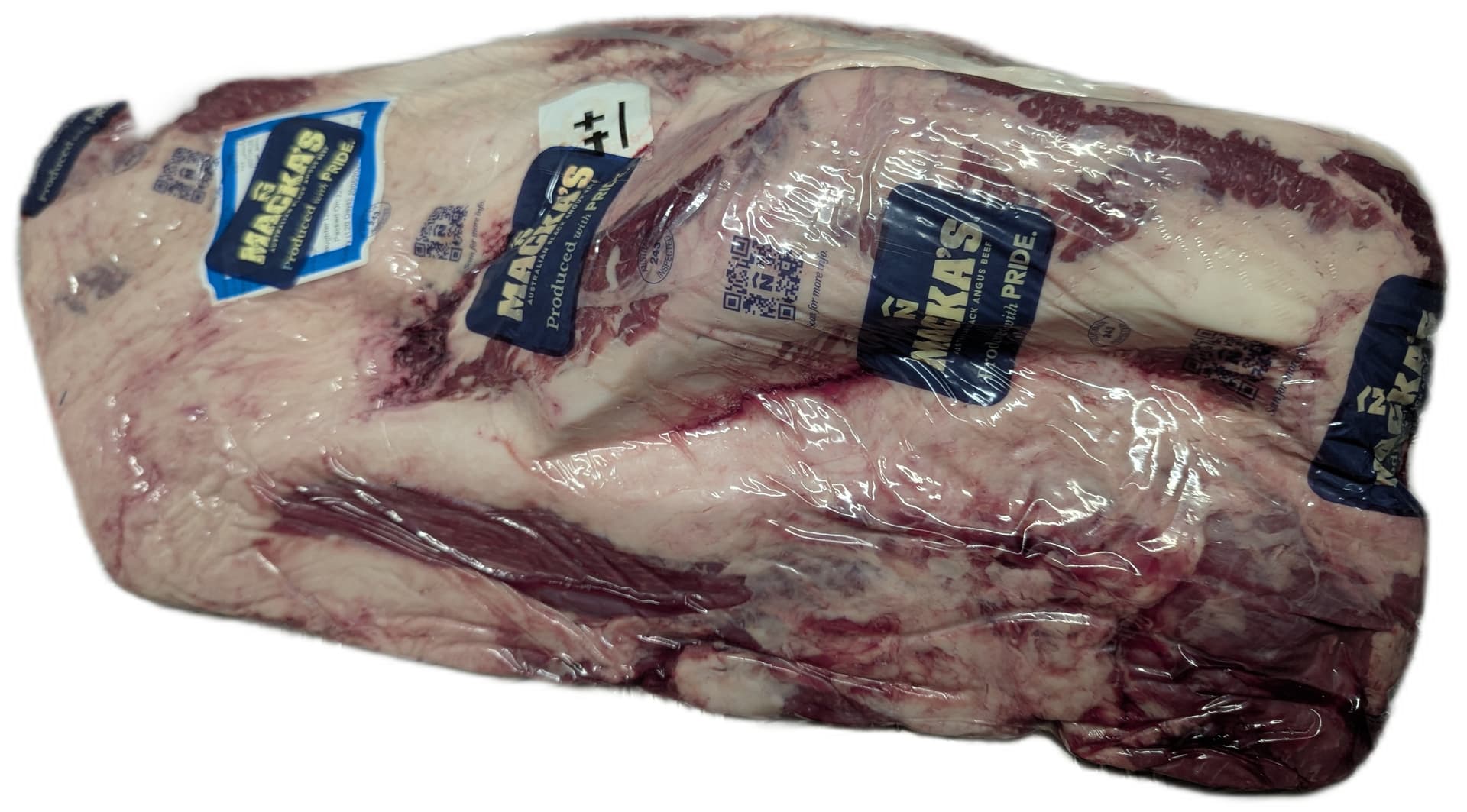
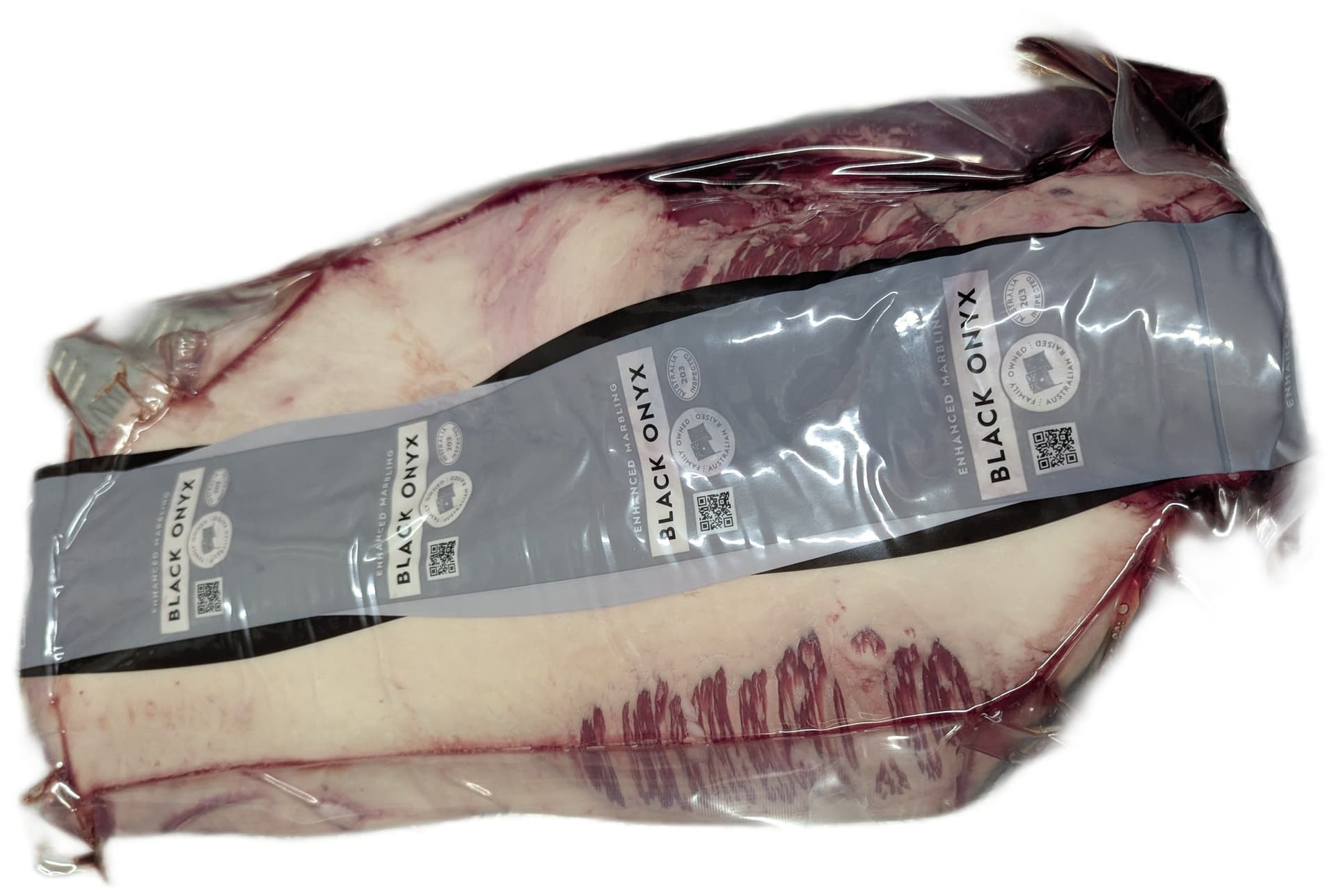
Our Macka's Angus Brisket and Black Onyx Brisket are both excellent choices with the marbling you need for a great smoke.
Shop these products
Price varies
Price varies
Trim the fat cap down to about 6mm (¼ inch). Remove any hard fat or silver skin from the meat side. A sharp boning knife makes this much easier. Don't go overboard — you want enough fat to protect the meat during the cook, but not so much that it prevents bark from forming.
The classic Texas-style rub is simple: a 50/50 mix of coarse black pepper and kosher salt. That's it. The beef should be the star. Apply your rub generously on all sides the night before and refrigerate uncovered — this forms a pellicle that helps the smoke adhere to the meat.
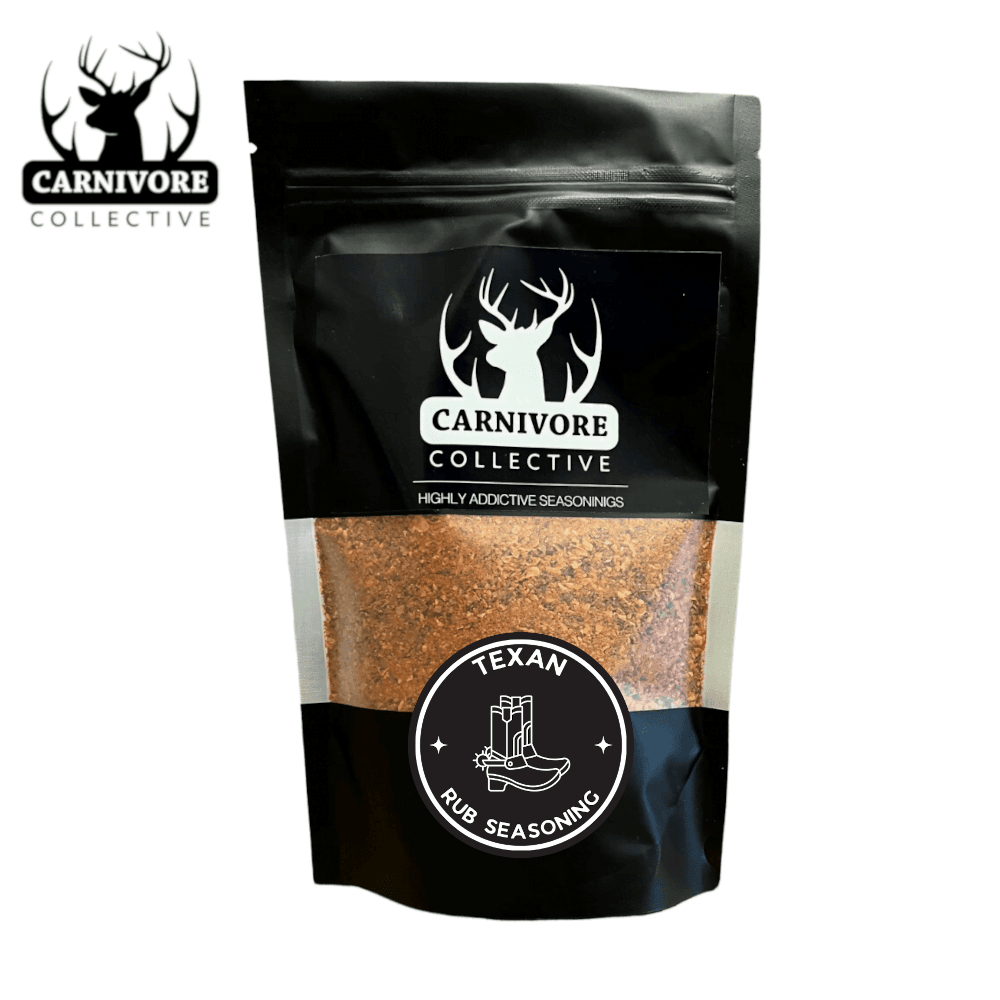
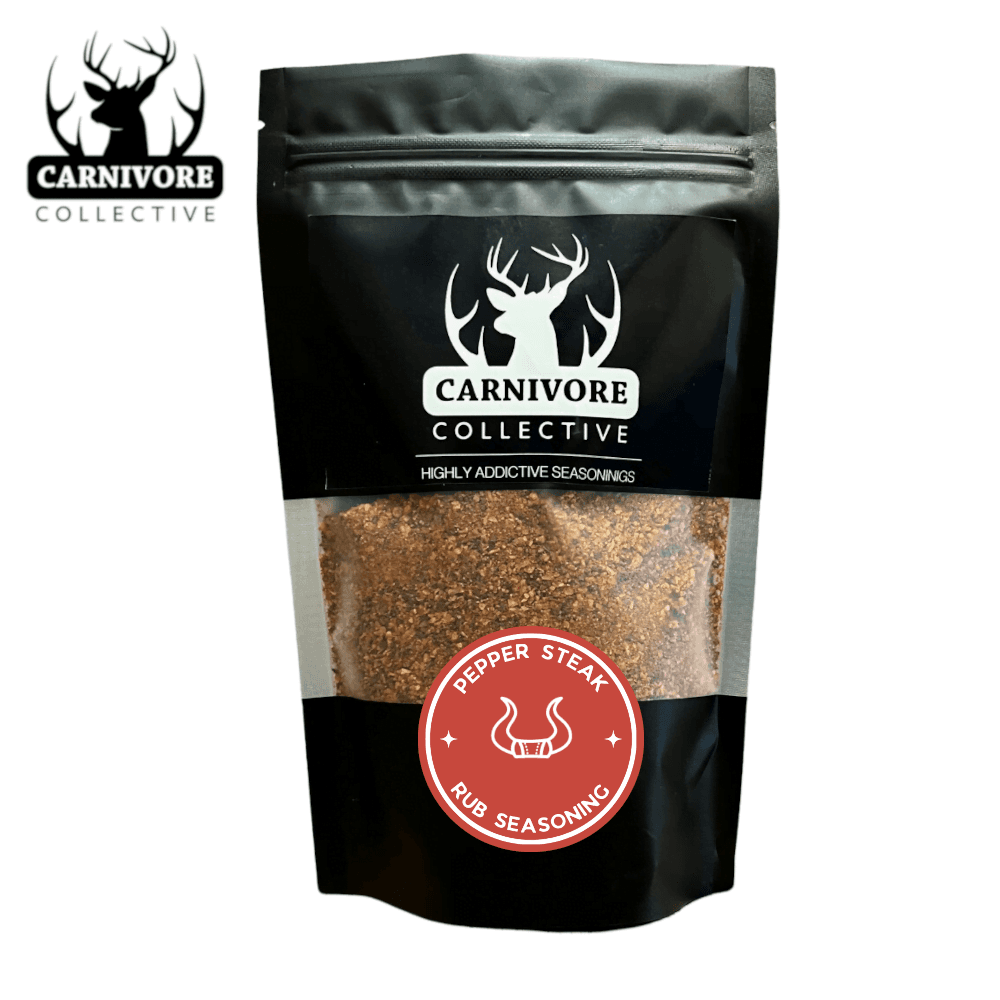
If you want more flavour complexity, our Texan or Pepper Steak rubs are purpose-built for brisket.
Shop these products
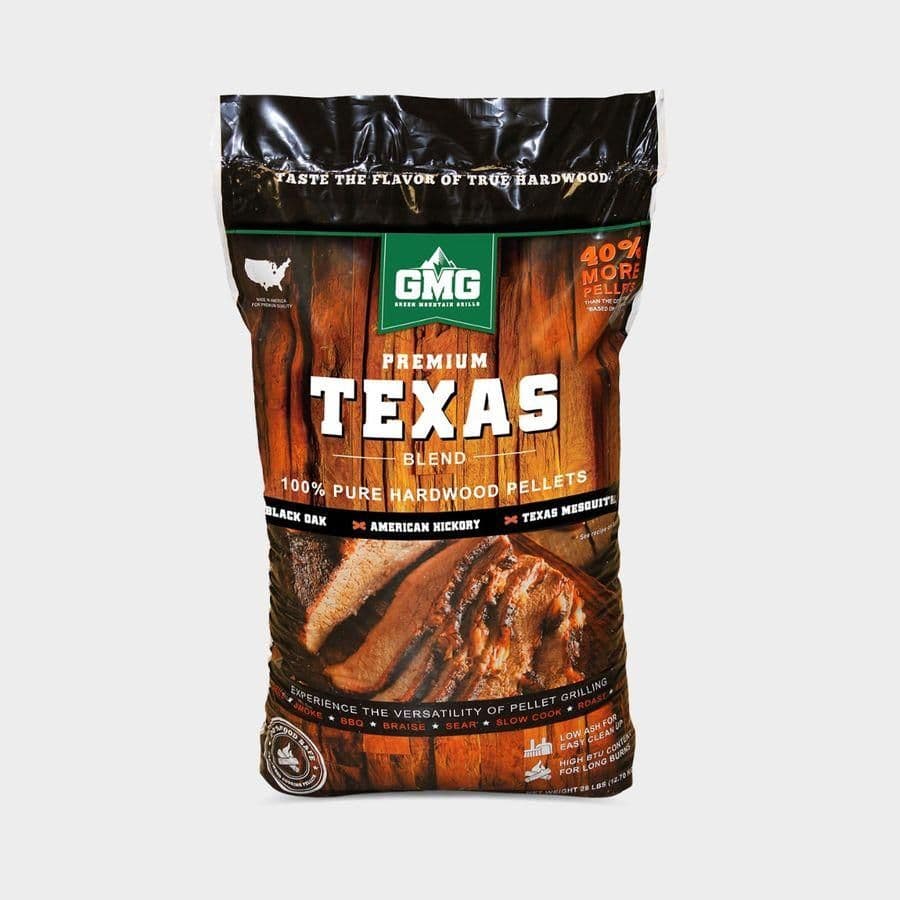
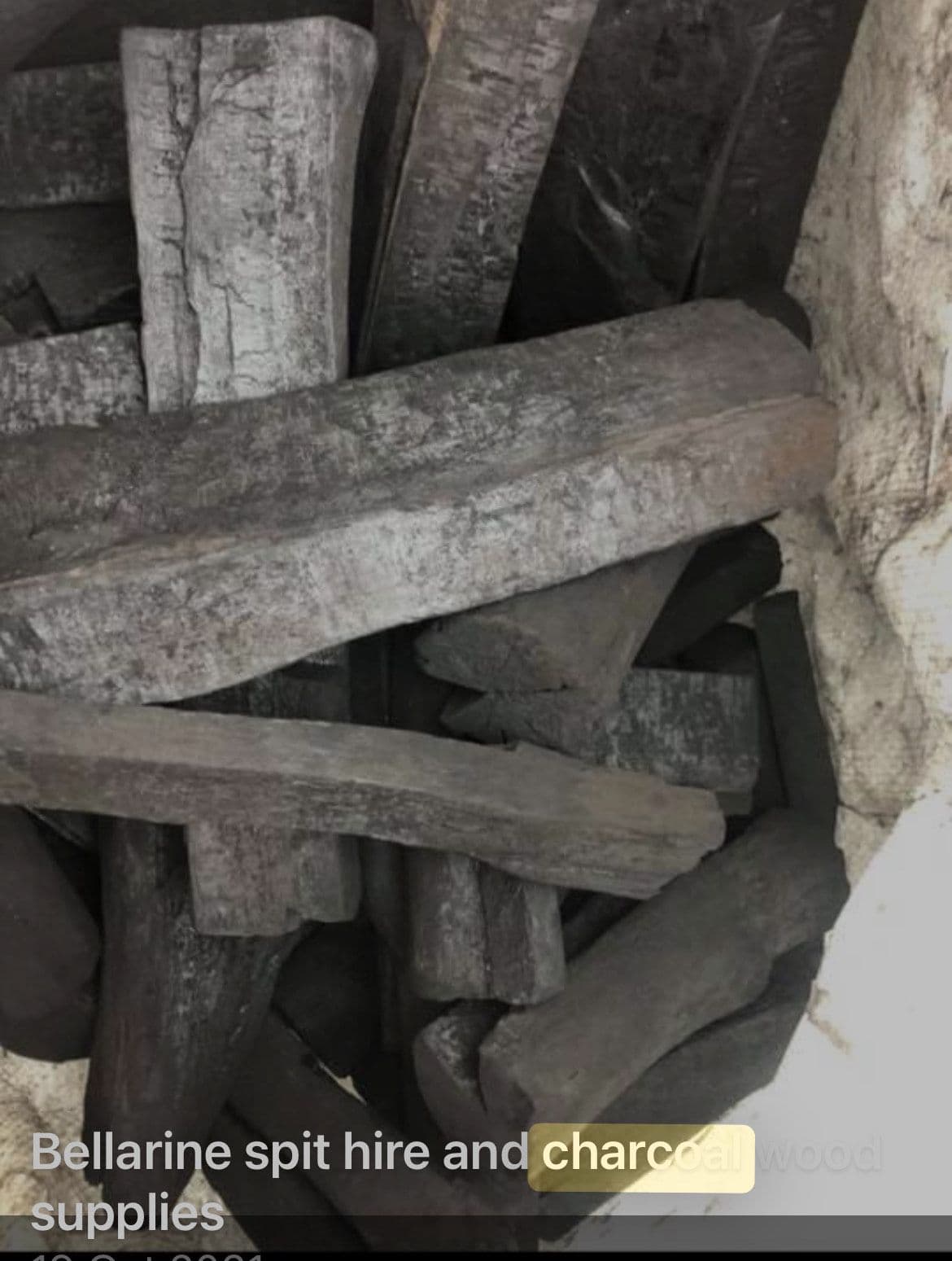
Set your smoker to 107°C (225°F). This is the sweet spot for brisket — low enough to break down collagen slowly, high enough to render fat properly. Use a combination of hardwood charcoal and wood chunks or pellets for smoke flavour. Post oak, hickory, or a Texas blend all work beautifully.
Make sure you have enough fuel for 12-14 hours. Fill your water pan — it helps regulate temperature and adds moisture to the cooking chamber.
Shop these products
Place the brisket fat-side up on the grate, with the point end facing the heat source (it has more fat to protect it). Close the lid and resist the urge to peek — every time you open the smoker, you lose heat and extend the cook time.
Around 65-70°C (150-160°F) internal temperature, the brisket will stall — the temperature stops rising for hours as moisture evaporates from the surface. This is normal. You have two options:
Brisket is done when it reaches 93-96°C (200-205°F) internal temperature and the probe slides in like butter. Temperature alone isn't enough — the "probe tender" test is what matters. If there's resistance, keep cooking.
This step is critical and often overlooked. Wrap the brisket in butcher paper (if not already wrapped), then in a towel, and place it in an esky (cooler) for at least 1 hour, ideally 2-4 hours. This allows the juices to redistribute throughout the meat. A rested brisket is juicy; an unrested brisket is dry.
Always slice against the grain. The tricky part is that the flat and point have grains running in different directions. Slice the flat first (pencil-thick slices), then rotate the point 90 degrees and slice it. The point slices will be fattier and more flavourful — save these for yourself.
Our First Smoke Kit — Brisket Edition has everything you need to get started: a quality brisket, rubs, and fuel.
Shop these products